
Blog

How to Choose the Best UPSC Prelims Books for Self-Study Without Coaching
Summary
It is completely possible to prepare with the civil services preparation without coaching to take the UPSC Civil Services Preliminary Examination directly considering choosing the proper study materials and taking a strict approach. Successful aspirants do not buy as many reference books, but instead stick on a small number of practice, reliable UPSC prelims books, revise and rehearse past-year questions and mock exams. This guide will provide book list for UPSC prelims, subject-wise guidance and how one can develop a solid foundation by studying independently.
Key Takeaways
- Select UPSC prelims books that comprehensively cover the latest UPSC syllabus.
- Limit your resources and revise them multiple times.
- Use NCERT books as the foundation before moving to advanced references.
- Complement theory with mock tests and previous years’ question papers.
- Choose updated UPSC prelims study material that reflects current exam trends.
- A disciplined study plan is more valuable than joining coaching alone
Introduction
UPSC Civil Services Examination is one of the most competitive examinations in India; though passing the Preliminary Examination does not always imply a costly coaching is mandatory. Self-study is through the choice of books to study the toppers have prepared tens of thousands, by following a systematic study program.
A common error that beginners have made is to purchase all the recommended books that they encounter. As a matter of fact, those who have managed to succeed on the UPSC prelims test tend to depend on a well hand-picked list of books, ensure it is retouched and supplemented with current affairs, mock tests and past papers.
In case you want to work independently, knowing which resources are really basic will help you save time, a lot of confusion and enhance your preparation.
Why Choosing the Right UPSC Prelims Books Matters
The quality of your study material directly affects your preparation. Well-structured books simplify learning, reduce unnecessary reading, and help you focus on topics that matter most in the examination.
Covers the Complete UPSC Syllabus
Reliable UPSC preliminary preparation books are designed to cover the syllabus systematically, ensuring that important topics from History, Geography, Polity, Economy, Environment, Science, and Current Affairs are not overlooked.
Builds Strong Conceptual Understanding
The best books for UPSC prelims explain concepts clearly rather than encouraging rote learning. Strong fundamentals help candidates solve analytical and application-based questions with greater confidence.
Supports Effective Revision
Organised chapters, concise summaries, and practice questions make revision easier. Revisiting the same resources multiple times improves retention and helps candidates recall information during the examination.
Reduces Information Overload
Reading too many books often creates confusion. Choosing a limited number of trusted preliminary books for UPSCallows aspirants to focus on understanding concepts instead of constantly switching between different authors.
Book List for UPSC Prelims
A balanced book list for UPSC prelims combines NCERT textbooks with standard reference books and practice material. Instead of depending on numerous sources, aspirants should focus on mastering a few reliable resources.
NCERT Textbooks
NCERT books from Classes VI to XII form the foundation for subjects such as History, Geography, Economics, Science, and Polity. They explain concepts in simple language and prepare candidates for advanced reference books.
Standard Reference Books
After completing NCERTs, candidates should move to standard reference books for subjects like Indian Polity, Modern History, Economy, Environment, and Geography. These resources provide greater depth while remaining aligned with the UPSC syllabus.
Current Affairs Resources
Reading a quality newspaper along with monthly current affairs compilations helps candidates stay updated on national and international developments relevant to the Preliminary Examination.
Previous Years’ Question Papers
Analysing previous years’ papers allows aspirants to understand question trends, frequently tested topics, and the level of analytical thinking expected in the examination.
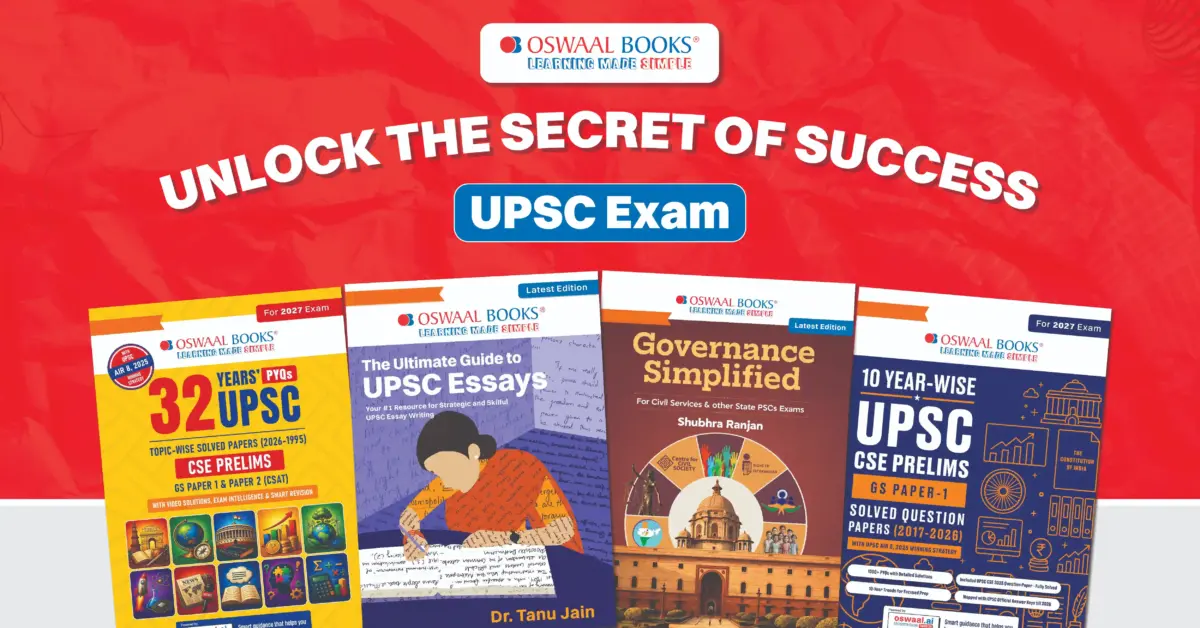
Best Books for UPSC Prelims Preparation
Choosing the best books for UPSC prelims preparation involves selecting resources that are widely trusted by educators and successful candidates while avoiding unnecessary duplication.
Indian Polity
A comprehensive Polity book covering the Constitution, governance, Parliament, judiciary, and constitutional bodies is essential for building a strong conceptual foundation.
Modern Indian History
History preparation should include India’s freedom struggle, important movements, socio-religious reforms, and post-independence developments through a well-structured reference book.
Geography
Candidates should study both Physical and Indian Geography using conceptual books supported by maps, diagrams, and atlas practice to improve geographical understanding.
Economy
A beginner-friendly Economics book explaining inflation, banking, fiscal policy, taxation, budgeting, and economic development helps aspirants understand current economic issues more effectively.
Environment and Ecology
Since Environment has become increasingly important in recent UPSC examinations, candidates should choose updated study resources covering biodiversity, climate change, environmental conventions, and conservation programmes.
UPSC Prelims Study Material for Self-Study
Apart from books, candidates need well-rounded UPSC prelims study material that supports revision and regular practice.
Topic-Wise Notes
Preparing concise notes while studying helps simplify revision during the final months before the examination. Personal notes also improve long-term retention of important concepts.
Practice Question Banks
Chapter-wise practice questions allow candidates to test their understanding after completing each subject. Regular practice also helps identify weaker areas that require additional revision.
Mock Test Series
Mock tests simulate the actual examination environment and improve both speed and accuracy. They also help aspirants develop effective time-management skills while identifying recurring mistakes.
Revision Material
Quick revision booklets, summary notes, and formula sheets help candidates revise vast portions of the syllabus efficiently during the final weeks before the examination.
How to Prepare for UPSC Prelims Without Coaching
Self-study has become a popular choice among UPSC aspirants. With the right strategy, consistent revision, and carefully selected books for preparation of UPSC prelims, candidates can build a strong foundation without joining coaching institutes.
Follow a Structured Study Plan
Create a realistic timetable that covers every subject in the UPSC syllabus. Divide your day between learning new topics, revising previous lessons, reading current affairs, and solving practice questions to maintain consistency.
Revise Multiple Times
Reading a book once is rarely enough for UPSC. Successful aspirants revise the same UPSC prelims books several times instead of constantly referring to new resources. Multiple revisions improve retention and boost confidence before the exam.
Practise Previous Years’ Questions
Previous years’ question papers help candidates understand the difficulty level, frequently tested topics, and evolving trends in the Preliminary Examination. Solving them regularly also improves analytical thinking and time management.
Attempt Mock Tests Regularly
Mock tests help simulate the actual examination environment. Reviewing your performance after each test allows you to identify weak areas, improve accuracy, and reduce negative marking through better decision-making.
Common Mistakes While Choosing UPSC Books
Many beginners spend more time collecting study materials than actually studying. Avoiding these common mistakes can make your preparation more effective.
Buying Too Many Books
Purchasing numerous reference books often creates confusion and leads to incomplete preparation. Instead, select a limited number of reliable UPSC preliminary preparation books and revise them thoroughly.
Ignoring NCERT Books
Many aspirants skip NCERT textbooks in favour of advanced books. However, NCERTs provide the conceptual foundation needed to understand more complex topics and should not be overlooked.
Using Outdated Editions
Always choose the latest editions of UPSC prelims books to ensure the content reflects the current syllabus, recent developments, and updated examination trends.
Neglecting Current Affairs
Static books alone cannot guarantee success in UPSC. Regular newspaper reading and monthly current affairs compilations should complement your core study materials.
Best Books for UPSC Prelims Preparation in India
When searching for the best books for UPSC prelims preparation in India, candidates should prioritise quality, relevance, and alignment with the latest UPSC syllabus.
Comprehensive Subject Coverage
The ideal resource should cover major subjects such as Polity, History, Geography, Economy, Environment, Science, and Current Affairs in a structured manner, reducing the need to consult multiple books.
Exam-Oriented Practice
Choose books that include chapter-wise practice questions, objective-type exercises, and previous years’ questions to strengthen conceptual understanding and improve exam readiness.
Updated Content
Reliable books for UPSC preliminary preparation should be revised regularly to include the latest government schemes, policy updates, environmental developments, and changing examination patterns.
Easy-to-Understand Language
Books written in simple, clear language make complex concepts easier to understand, especially for first-time aspirants preparing without coaching.
Final Recommendation
There is no single resource that guarantees success in the UPSC Civil Services Preliminary Examination. Instead, the key is to build a focused study plan using a carefully selected set of UPSC prelims books, revise them consistently, and practise regularly.
Candidates should avoid switching between multiple resources and instead concentrate on mastering a limited collection of trusted preliminary books for UPSC. Combining conceptual learning with mock tests, current affairs, and previous years’ papers creates a balanced preparation strategy that supports long-term success
Conclusion
Choosing the right UPSC prelims books is one of the most important decisions for aspirants preparing without coaching. Whether you’re looking for books for UPSC preliminary, UPSC prelims study material, or the best books for UPSC prelims preparation, your focus should be on quality rather than quantity. A well-planned combination of NCERT textbooks, standard reference books, current affairs resources, and consistent revision can significantly improve your chances of success.
For aspirants seeking reliable and exam-oriented study resources, Oswaal Books offers thoughtfully designed preparation materials, practice question banks, previous years’ solved papers, and revision guides aligned with the latest UPSC examination pattern. These resources help candidates strengthen concepts, improve problem-solving skills, and prepare confidently for the UPSC Preliminary Examination.
FAQs
1. Which are the best books for UPSC prelims?
The
best books for UPSC prelims are those that comprehensively cover the
latest syllabus, explain concepts clearly, and include sufficient practice
questions. A combination of NCERT textbooks, standard reference books, and
previous years’ papers is generally recommended.
2. Can I prepare for UPSC
Prelims without coaching?
Yes.
Many successful candidates prepare through self-study by following a
disciplined schedule, using quality UPSC prelims study material,
revising regularly, and practising mock tests and previous years’ questions
consistently.
3. How many books are enough
for UPSC Prelims preparation?
Instead
of collecting many resources, most experts recommend using one reliable book
for each subject, along with current affairs materials and previous years’
question papers. Consistent revision is more important than reading multiple
books.
4. What should be included
in a book list for UPSC Prelims?
A
complete book list for UPSC prelims should include NCERT textbooks,
subject-specific reference books for Polity, History, Geography, Economy,
Environment, current affairs resources, and previous years’ solved papers.
5. Is UPSC prelims study
material enough to clear the exam?
Study
material provides the foundation, but success also depends on revision, answer
practice, mock tests, and staying updated with current affairs. A balanced
preparation strategy is essential.
6. How often should I revise
my UPSC preliminary preparation books?
Most toppers recommend revising your UPSC preliminary preparation books at least three to four times before the examination. Multiple revisions improve retention, reduce mistakes, and build confidence for the exam.